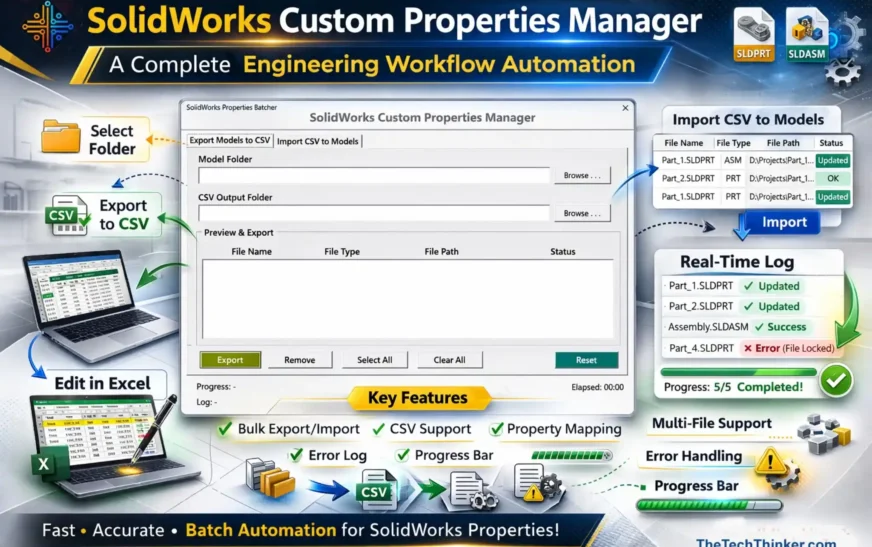
SolidWorks Custom Property Manager: 7 Automation Benefits

SolidWorks Custom Property Manager: 7 Automation Benefits for Modern Engineering Teams Managing metadata inside CAD files sounds simple… until you’ve worked in a real engineering environment. Different customers.Different naming rules.Different templates.Different SolidWorks versions. Hundreds of PART and ASM files to update — sometimes overnight. Manual property editing quickly becomes the
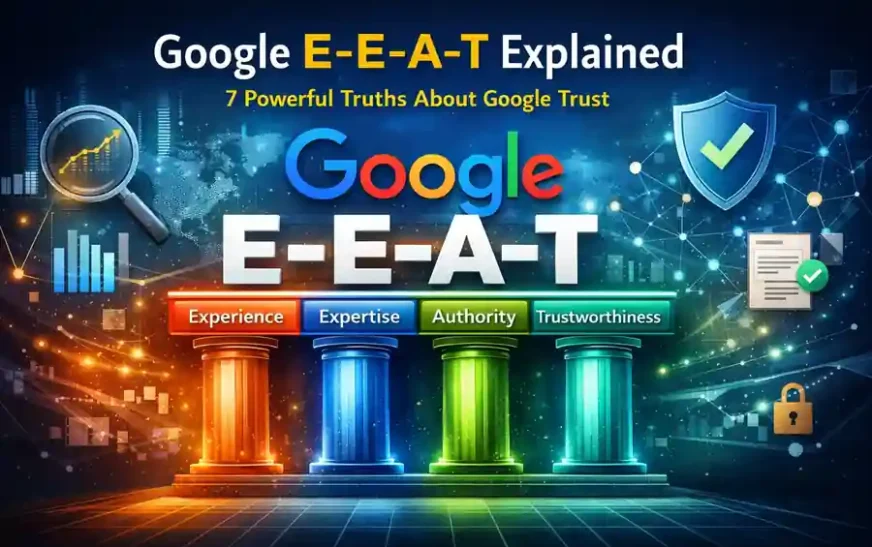
What Is Google E-E-A-T | 7 Powerful Secrets to Google Trust
What is Google E-E-A-T? In 2026, this question sits at the center of modern search visibility. Search is no longer driven purely by keywords, backlinks, or mechanical optimization. Instead, it increasingly evaluates credibility, authenticity, and reputation. E-E-A-T — which stands for Experience, Expertise, Authoritativeness, and Trustworthiness — represents the framework
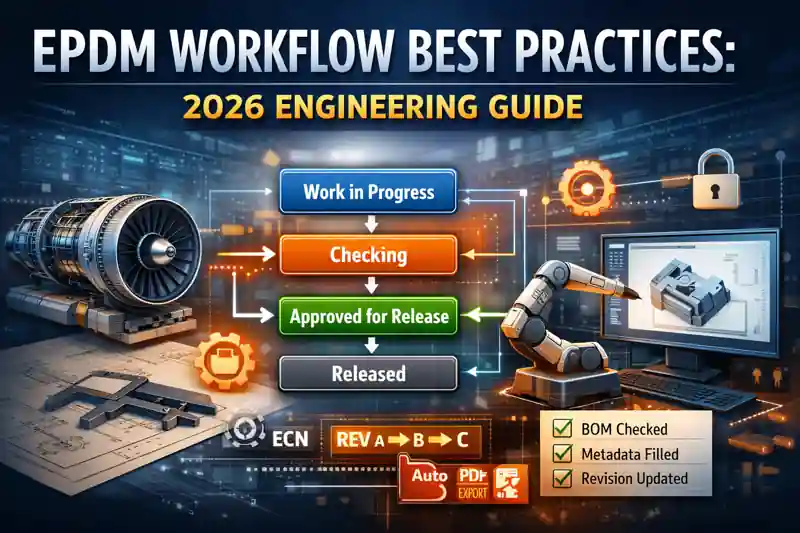
EPDM Workflow Best Practices: 2026 Engineering Guide
EPDM Workflow Best Practices are becoming mission-critical for engineering teams in 2026.Whether you work in aerospace, manufacturing, tooling, heavy equipment, or product design, the way your team handles approvals, revisions, document control, and change management directly impacts project speed, cost, and quality. In many engineering organizations, the biggest delays don’t
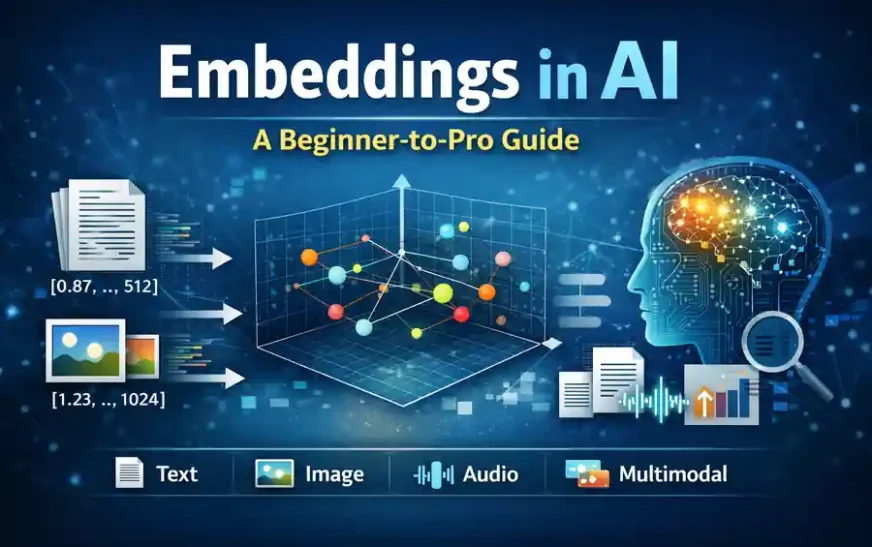
Embeddings in AI: A Powerful 2026 Guide for Beginners & Pros
Introduction to Embeddings in AI (Why Embeddings in AI Matter in 2026) Embeddings in AI power almost everything around us today.When you search something online, talk to a chatbot, categorize documents, detect duplicates, or build a recommendation engine—embeddings are silently doing the heavy lifting. In 2026, with models like OpenAI,

What is a Hallucination in AI? Simple 2026 Explanation
Introduction to Hallucination in AI Artificial intelligence has become a part of our daily workflows—writing emails, generating code, summarizing documents, fixing errors, even supporting engineering design. But while AI can sound incredibly confident, it sometimes produces information that is completely incorrect. This behaviour is known as a hallucination in AI.
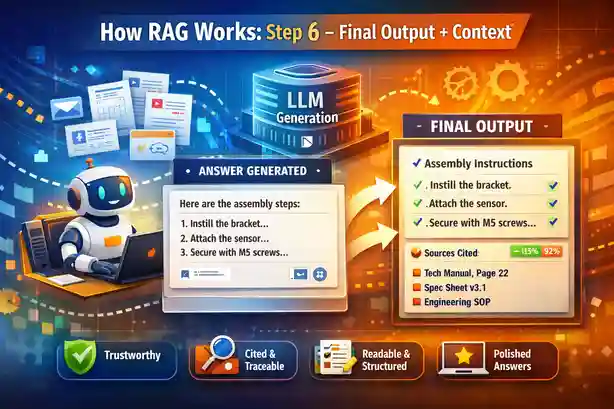
What is RAG? Ultimate 2026 Guide to Retrieval-Augmented AI
Introduction What is RAG? Every few years, a shift happens in the AI world that quietly changes everything. Retrieval-Augmented Generation—better known as RAG—is exactly that kind of shift. If you’ve ever noticed a chatbot giving confident but incorrect answers, or an LLM inventing facts out of thin air, you’ve already

Agentic AI Systems: 7 Powerful Shifts Toward True Autonomy
Introduction to Agentic AI Systems For the past few years, most organizations have interacted with Artificial Intelligence through assistants—chat-based systems that respond to prompts, generate text, summarize documents, or answer questions. These systems created enormous productivity gains, but they also revealed a fundamental limitation: assistants react, they do not act.
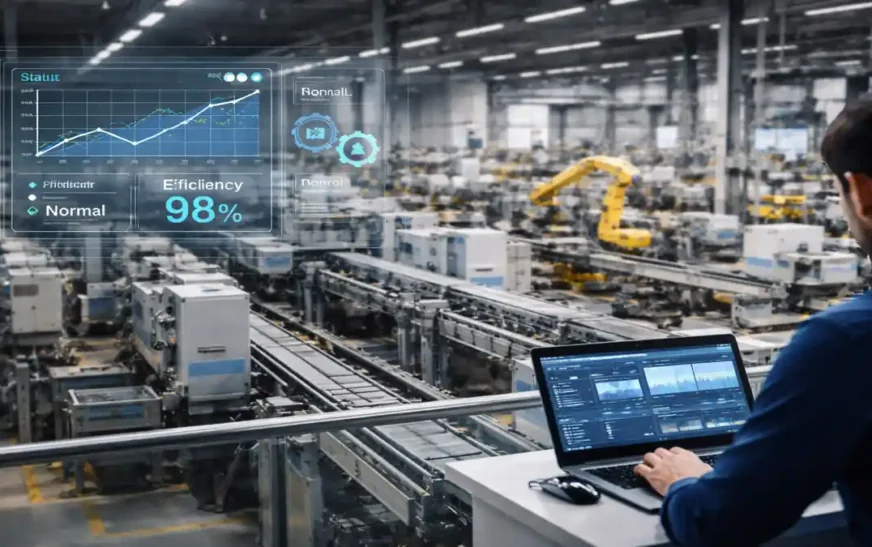
Digital Twin: 17 Powerful Ways Engineering & AI Are Evolving
Introduction Digital Twin is no longer a futuristic buzzword or a marketing phrase used by enterprise vendors. Today, this concept has become a practical engineering and intelligence framework used to understand, monitor, predict, and optimize real-world systems across manufacturing, aerospace, infrastructure, energy, and healthcare. Unlike traditional CAD models or offline
Validation-First Engineering Systems:7 Powerful 2026 Shifts
What Are Validation-First Engineering Systems? Validation-first engineering systems are system architectures where validation is treated as a governing function, not a post-execution quality check. In many modern digital systems, execution happens first and validation follows later. This approach assumes that errors can be detected, corrected, or rolled back after the
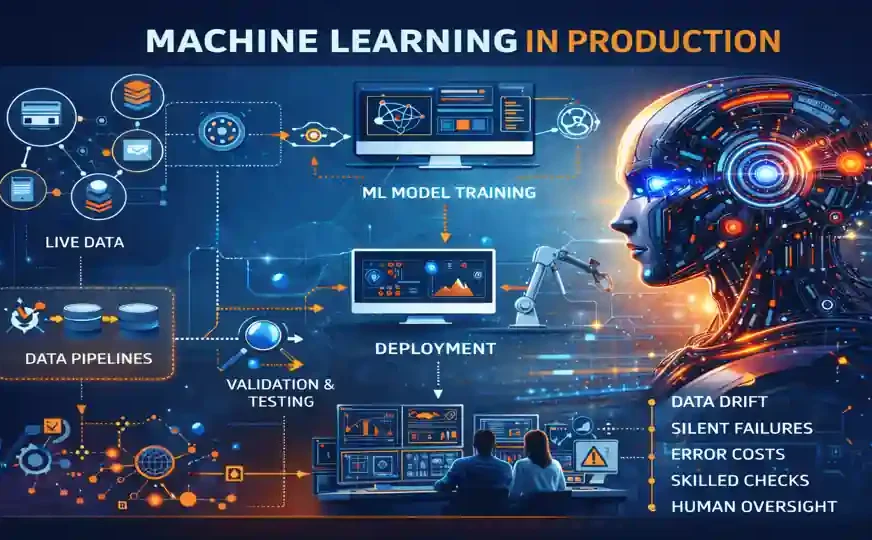
Machine Learning in Production:7 Critical Failures Explained
Machine Learning in Production rarely fails because of weak algorithms or poor model architectures.It fails because production environments expose assumptions that experimental setups never challenge. In controlled settings, data is clean, labels are trusted, and failure has no real consequence. In enterprise systems, none of those conditions hold for long.